Morgan Stanley analysts believe that humanoid robots could become a strategic breakthrough for China, as electric cars and batteries have become, Bloomberg writes. In a new report, economists predict that due to the early development of robotics, China's share of global manufacturing will increase from the current 15% to 16.5% by 2030.
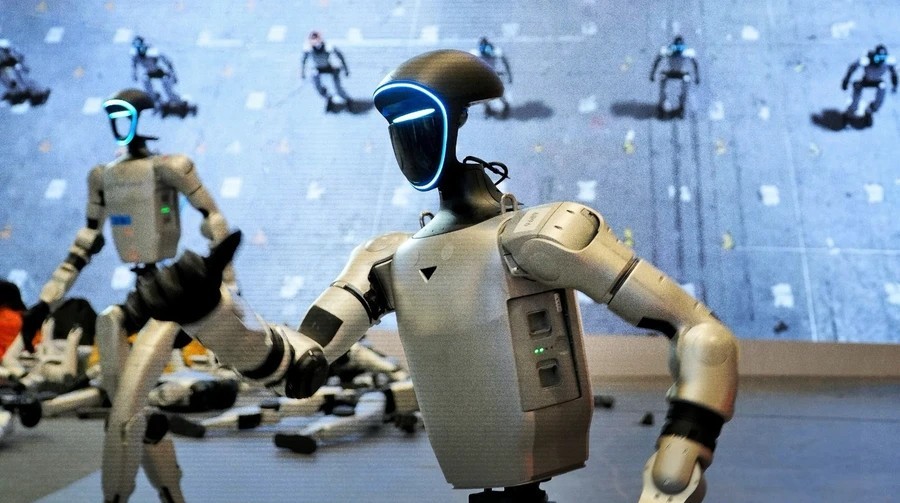
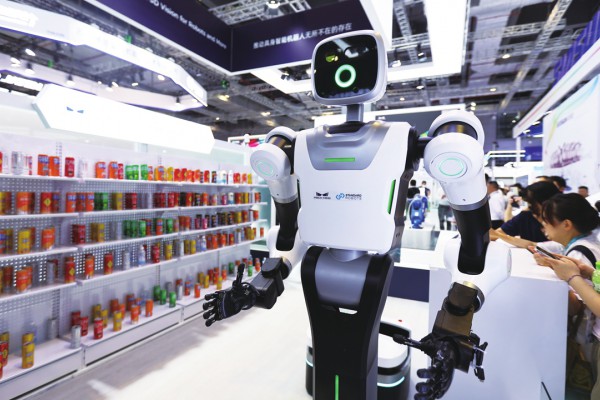
In recent years, humanoid robots in China have moved from experiments in laboratories to real-world use. They are already being tested and implemented at factories, technology parks, universities, and airports. The government is also actively involved in the development of the industry through procurement and support for companies. Economists point out that China traditionally quickly identifies promising areas of development and invests in them even before the market becomes massive. This is exactly what happened to the electric vehicle industry earlier.
Chinese companies are now actively building their own production chain for components for humanoid robots. This gives them an advantage over competitors from Japan, Korea and the US, which often depend on Chinese parts and supplies.
News of new robot achievements regularly appears in China. One example was a humanoid robot that completed a half marathon in 50 minutes and 26 seconds. Against this backdrop, investors have begun to invest more actively in robotics companies.
At the same time, the US is also actively working in this area. In particular, Tesla is investing significant resources in the development of its own humanoids. However, the approach of the two countries is different: American companies rely on expensive high-tech prototypes and long-term testing, while Chinese manufacturers launch products faster and improve them while they are in use.
Experts warn that trade restrictions and fears of other countries about dependence on Chinese technology may become a future problem.